The gift itself—the gourmet cheeses, the craft beers, the fancy socks—is fantastic. It shows thought, effort, and an understanding of his favorite things. But let’s be honest: when you put together a beautiful hamper, the card is often the most overlooked element. It’s the single piece that transforms a collection of expensive items into a deeply personal gift experience. Writing a heartfelt card to go with a dad's hamper isn't about rhyming couplets or dramatic pronouncements; it's about capturing him.
Many people get stuck staring at a blank page, paralyzed by the pressure to make their words sound profound enough for the expensive contents they’ve gathered. You worry that your message will fall flat, sounding generic or cliché. The secret, however, is that perfection isn't the goal—authenticity is. Your dad already knows you care; the card just gives him tangible proof of it.
Understanding the Power of Words Over Stuff
A hamper is a physical representation of effort, but your words are the emotional glue. Think of the gift like an elaborate meal: the items are the ingredients, but your message is the seasoning that makes everything taste amazing. A great card Perth doesn't just say "Happy Father’s Day"; it says, "I see you, and I appreciate you."
The biggest mistake people make is trying to write a literary masterpiece. Instead, aim for conversational honesty. Remember how you talk to him when he thinks no one is listening? That tone—warm, slightly teasing, utterly genuine—is the gold standard for your card. You are speaking Find out more from a place of deep comfort and love.
Crafting the Core Message: Beyond "Happy Father's Day"
When tackling how to write a heartfelt card to go with a dad's hamper?, approach it in three distinct phases: the opening, the body, and the closing thought. Structure gives your rambling thoughts discipline, ensuring you cover all bases without feeling disjointed.
The Opening Hook
Start immediately by referencing the gift itself. This grounds the message in the present moment and shows that you put serious thought into the entire package. Instead of opening with "Dear Dad," try something specific like: "I know this selection of single-malt scotches was a high-stakes gamble, but I figured you deserved nothing less than the best." This immediate specificity is charming and engaging.
The Heart of the Message
This section should be where you pivot from the physical gift to the emotional core. Don't list his virtues; illustrate them. Instead of writing, "You are supportive," try: "I’ll never forget that time I was convinced I couldn't handle [X], and you didn't give me a pep talk—you just showed up with [Y]. That meant everything."
Do you remember the time he helped you build that ridiculously complicated bookshelf? The hours spent covered in sawdust, laughing at your inept hammering? Those moments are far more valuable than any artisanal mustard included in the basket. They prove his patience and skill. What memories do you share with him that make you smile instantly?
The Closing Thought
Never let the card end abruptly after a "Love." Your sign-off should be forward-looking, acknowledging the future of your relationship. It can be a promise ("More adventures like this to come") or a simple toast ("To many more years of terrible dad jokes and great beer").
Layering in Memory: The Art of Anecdote and Humor
The most effective cards are those that feel utterly unique to the recipient, making them impossible to send as a template. This is where anecdotes shine. A brief story acts like an emotional anchor, pulling him right back into shared reality.
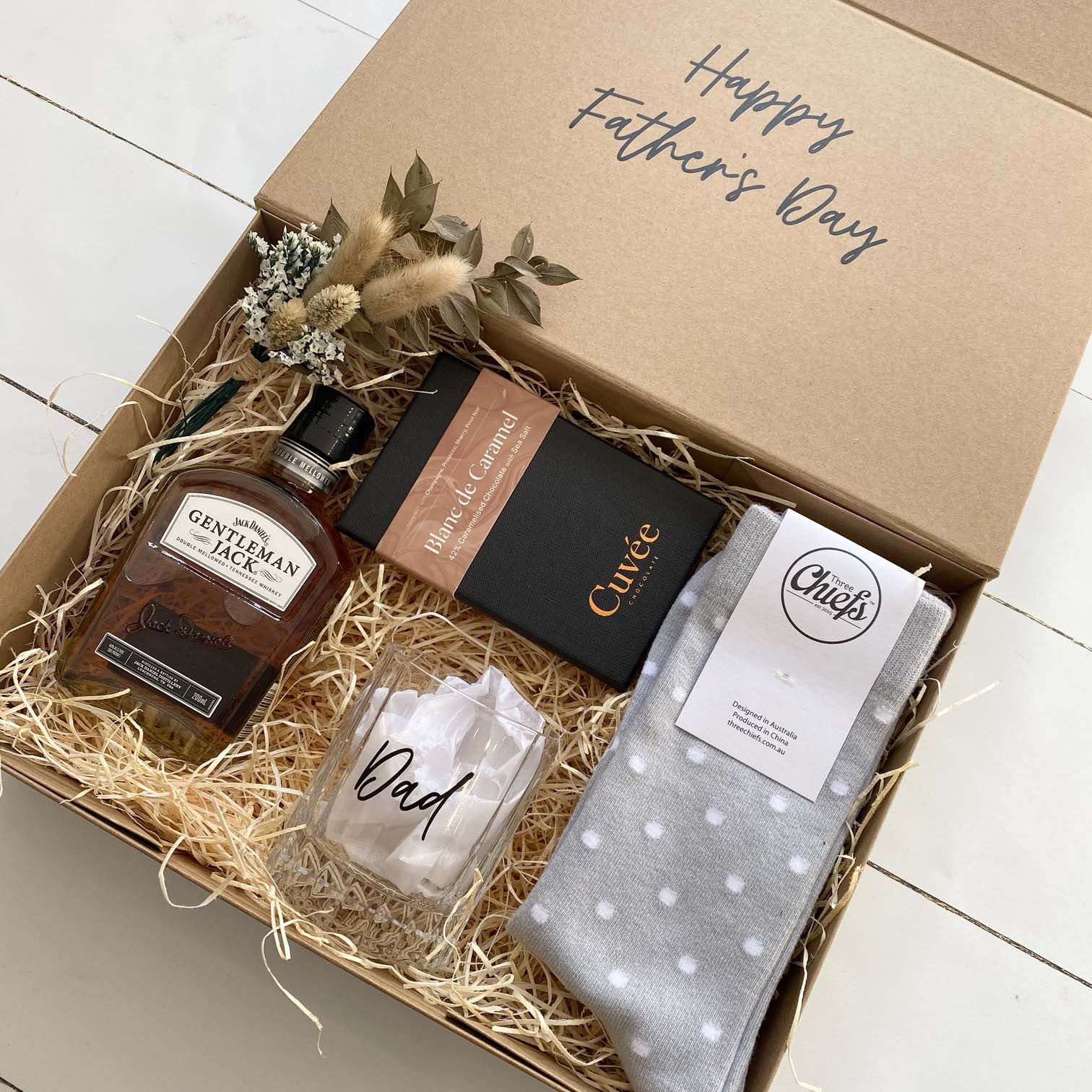
Consider weaving in a tiny piece of light humor—a running joke or a gentle ribbing about his questionable taste in socks, perhaps? It keeps the tone conversational and prevents the card from sounding overly sentimental or sappy. Humor is often the most honest reflection of deep affection.
For instance, I once had to write a note for my father who was receiving a hamper full of gourmet beef jerky. My first draft was too serious. I rewrote it after remembering him complaining about low-quality snacks at work. The final version read: "I figured if your taste in snacks is as questionable as your jokes sometimes are, you deserve the premium grade." It made him laugh so hard he nearly dropped a piece of cheese.
An apt quote often helps frame these memories. Perhaps something like Theodore Roosevelt's advice to always pursue 'worth while strivings.' It gives weight to the sentiment without sounding preachy. Do you need a literary touchstone, or does your relationship call for pure, unadulterated snark? The answer will guide your tone.
Navigating Different Dynamics and Tones
Writing this note requires knowing your audience—which is specifically your dad. Are we talking about the sentimental, reflective kind of father who appreciates poetry (even if you never send it)? Or are we dealing with the rugged, outdoorsy type whose appreciation focuses on practicality?
If he's practical, keep the language grounded and focused on shared experiences: "Here’s some fuel for your next camping trip." If he is sentimental, lean into the emotional vocabulary. This careful calibration ensures that when you finish writing how to write a heartfelt card to go with a dad's hamper? it feels perfectly tailored.
Why do we often assume that more expensive gifts equals more loving words? The truth is, his heart doesn't count luxury goods; it counts moments. Never forget that the warmth of your intention will always shine through, regardless of how eloquent your phrasing is. Remember to let your natural voice guide you—it’s the most valuable tool in this process.

Charting a Course for Future Appreciation
The act of writing and giving this hamper note isn't just about one day; it's establishing a pattern of intentional appreciation. The best cards don't feel like an ending, but rather a promise. They signal: "I see you, I remember things, and I plan on continuing to do so."
Think about the next time he struggles with something, or celebrates a small victory. Will your words be ready? Start practicing those moments of observation now. Notice what makes him genuinely laugh; notice when his efforts go unnoticed. These are the gems that will fuel your future notes. By making this thoughtful process routine, you turn gift-giving from an obligation into a continuous conversation of love and respect.
When you approach the pen, remember that heartfelt doesn't mean perfect—it means true. And nothing speaks truer than a genuine memory shared between two people who deeply appreciate each other.